
 Click main image to view in full screen. Unlock all 9 preview images:
Organizational Excellence Defined (M2): OEF Toolkit (Video Training) – PowerPoint PPTX Template
PowerPoint (PPTX) + Zip archive file (ZIP) 20 Slides


VIDEO DEMO
ORGANIZATIONAL EXCELLENCE PPT TEMPLATE DESCRIPTION
This is Module 2 of the Flevy Executive Learning program, "Organizational Excellence Defined," designed for leaders, internal improvement professionals, and advisors seeking a practical, research-backed path to stronger organizational performance.
It includes:
• training presentations (with lecture slide notes)
• video training (MP4)
• supporting OE materials:
Full Organizational Excellence Framework publication (240-page PDF)
OEF 1-page summary (PDF)
Consolidated Quality Management System Frameworks (PDF)
Interrelationships between Principles and Key Management Areas Matrices (PDF)
OES brochure (PDF)
Dawn Ringrose (MBA, FCMC) is Principal of Organizational Excellence Specialists and has consulted to management on performance improvement since 1984 across the public, private, and non-profit sectors. Recognized with the Fellow Certified Management Consultant (FCMC) designation, she contributed to the ISO 20700 standard for management consulting and serves in leadership roles supporting the Organizational Excellence profession. Dawn is the author of the Organizational Excellence Framework (OEF) and has trained professionals in 65+ countries.
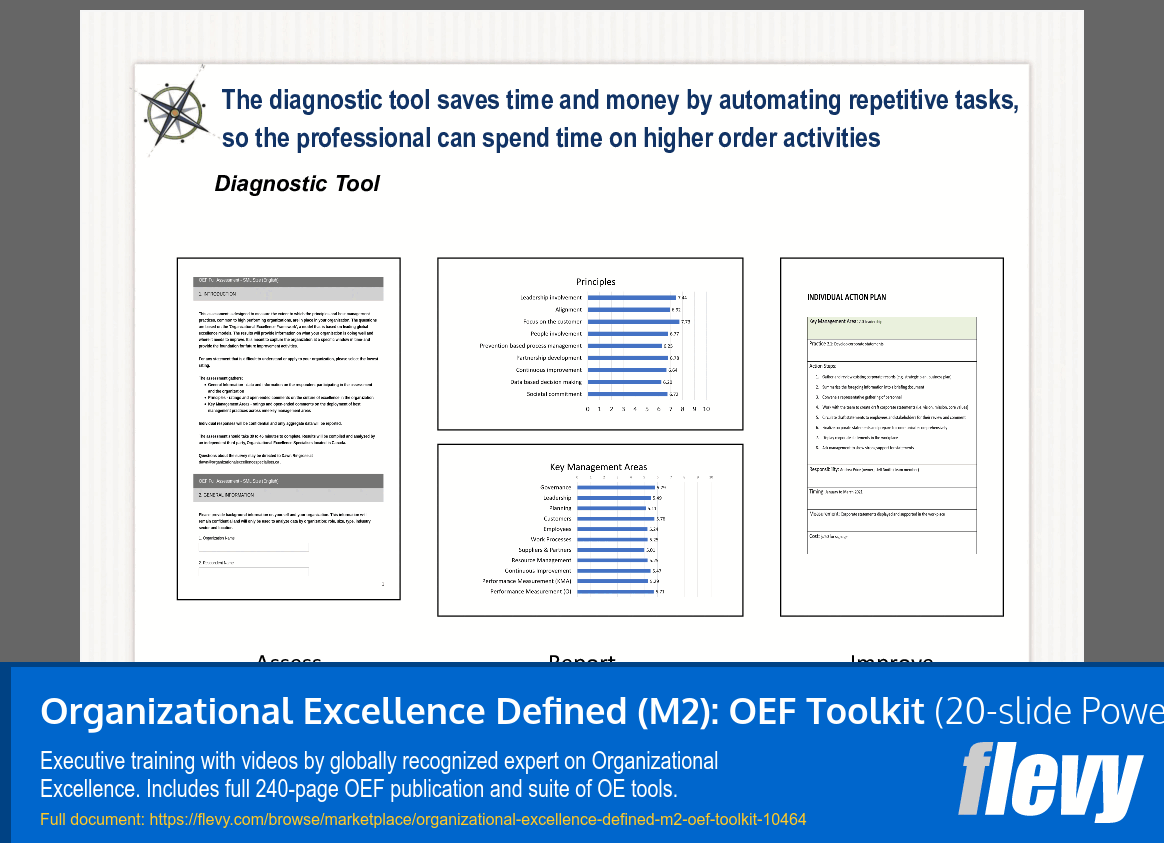
Module 2 introduces Dawn's turnkey Organizational Excellence toolkit—built to make the excellence journey more simple, straightforward, time-efficient, and cost-effective, while still aligning with leading excellence models and complementary approaches like ISO, Lean, and Six Sigma.
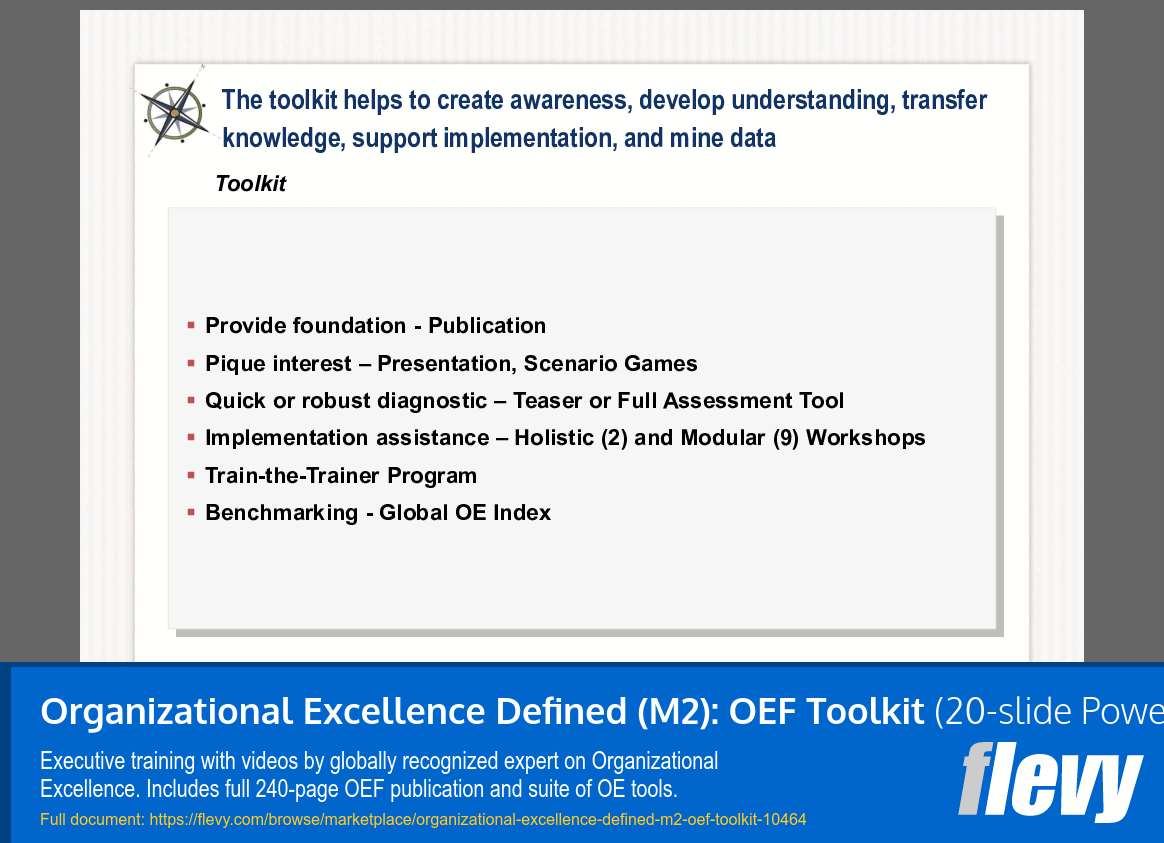
Across this module, you'll get a guided tour of the toolkit components and how they support real implementation—not just theory. The toolkit is structured to help different users and contexts: consultants delivering outcomes, organizations building internal capability, and leaders targeting the key management areas that "keep them up at night."
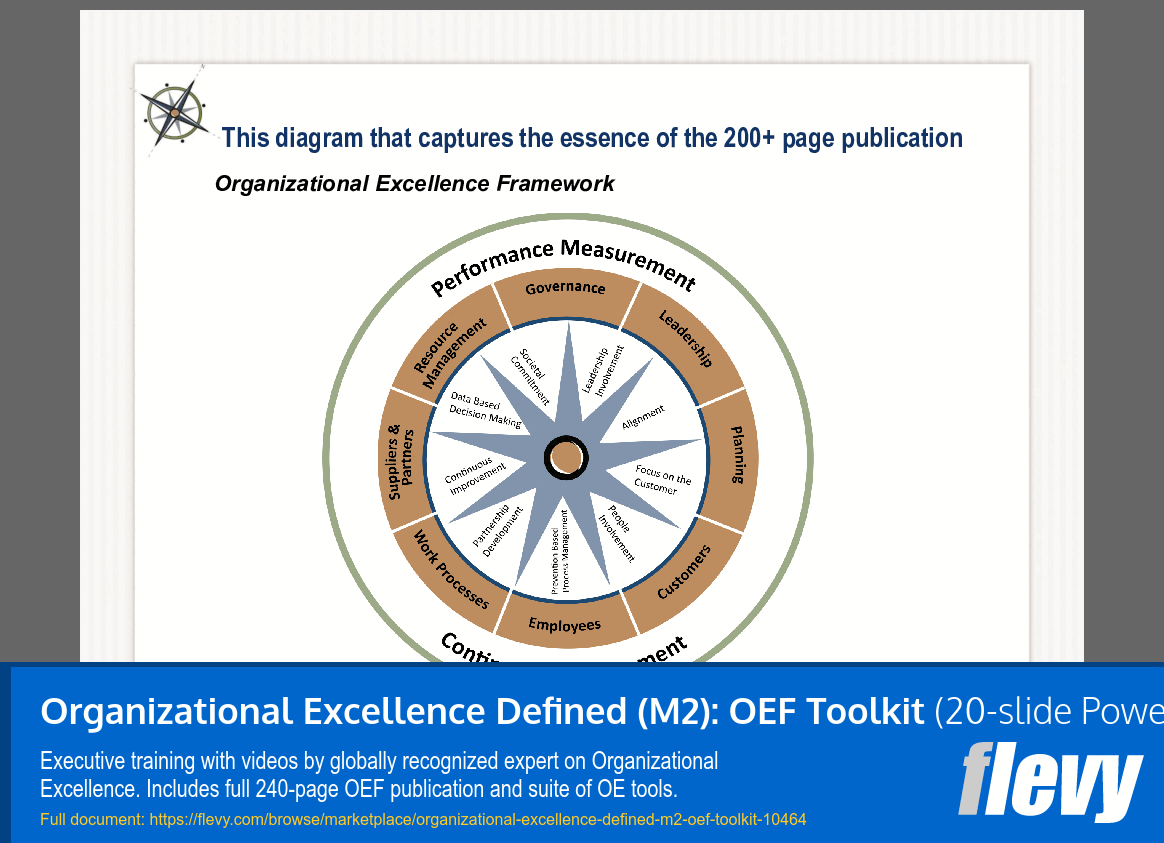
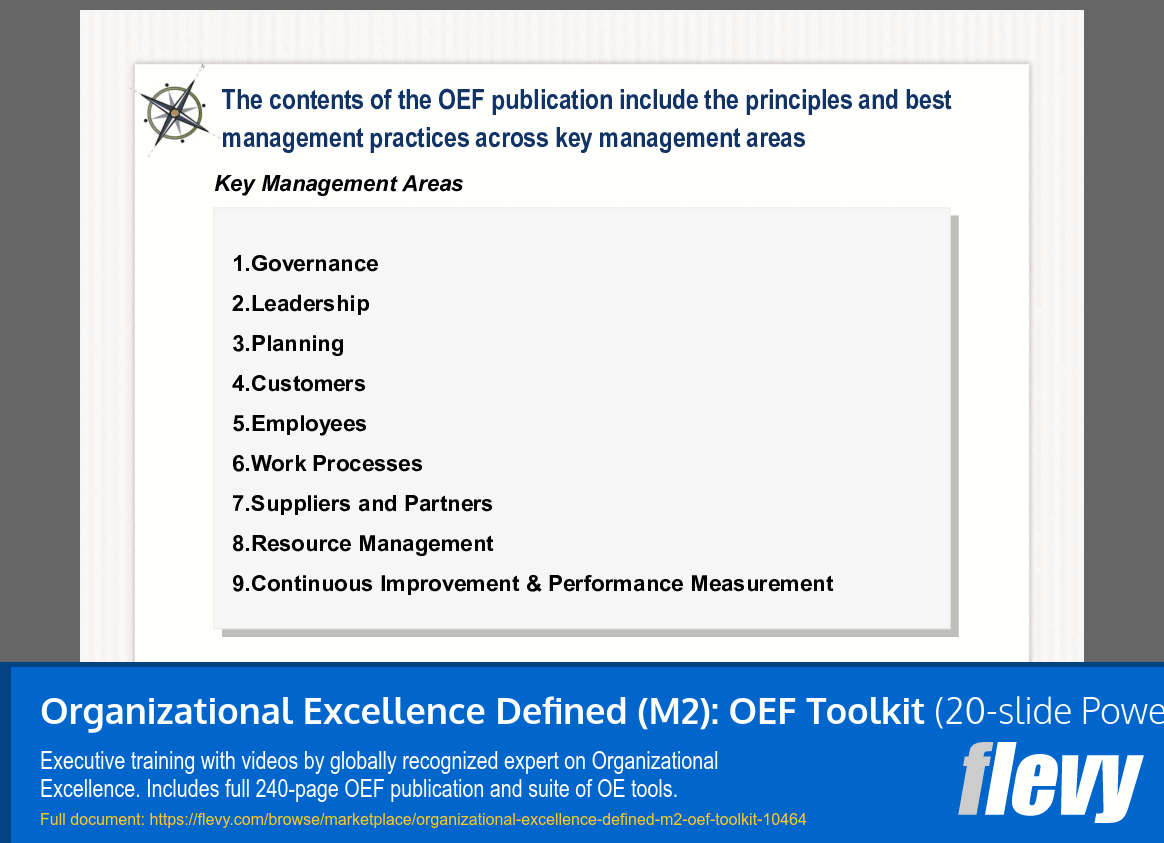
A core focus is the Organizational Excellence Framework (OEF) publication—the foundation tool in the toolkit. Dawn explains how the OEF captures excellence in a practical structure (principles, key management areas, continuous improvement, and performance measures) and why a strategic approach ensures activities stay aligned to mission and vision.
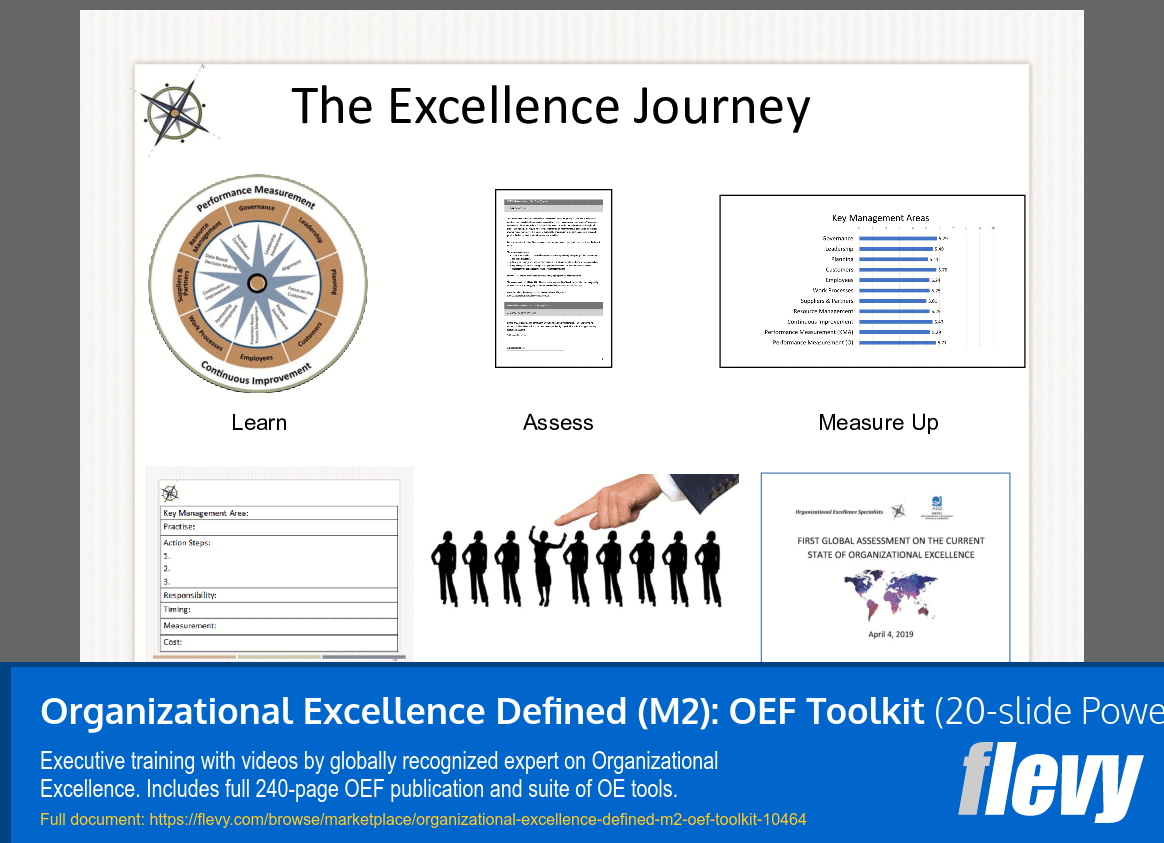
You'll also learn how the OEF is meant to be applied end-to-end: learn the framework, assess current state, build an improvement plan to address gaps, implement, benchmark with others, and (optionally) pursue external recognition. The module highlights the OEF's usable "template" format for translating principles and practices into implementation guidance by organization size and context.
Organizational Excellence is one of the best kept secrets in the world—global research suggests only 10% to 20% of the working population is familiar with excellence models, despite their proven impact on organizational performance. This program is designed to change that by making excellence practical, understandable, and usable—not academic or abstract.
Dawn Ringrose's approach provides a proven framework and turnkey toolkit that is scalable to any size of organization and compatible with other approaches (e.g., ISO-based quality systems, Lean, Six Sigma). The emphasis throughout is on simplification and "common-sense" execution—so leaders and professionals can build capability, close performance gaps, and sustain results.
Got a question about the product? Email us at support@flevy.com or ask the author directly by using the "Ask the Author a Question" form. If you cannot view the preview above this document description, go here to view the large preview instead.
Source: Best Practices in Organizational Excellence PowerPoint Slides: Organizational Excellence Defined (M2): OEF Toolkit (Video Training) PowerPoint (PPTX) Presentation Slide Deck, Dawn Ringrose
ABOUT THE AUTHOR
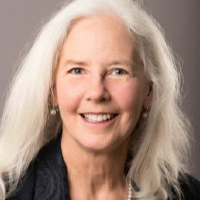
Dawn Ringrose has consulted to management in areas that positively contribute to organizational performance since 1984. She has a Master of Business Administration, Fellow Certified Management Consultant designation and a number of other credentials (Qimpro Certified Qualitist, Certified Excellence Professional, Registered ISO 9000 Specialist, Assessor of Quality Systems, Certified Seminar ... [read more]
Ask the Author a Question
You must be logged in to contact the author.




























